Your menu is where your restaurant decides who it is.
Most menus hide their best dishes in the wrong places. We find the ones your customers walk past and design the menu so they stop walking past them, in a menu that could only be yours.
Yes, we literally wrote the book on this.
Show us your menuWhat menu engineering means here
Identity
The dishes you lead with, the words you use, the prices you stand behind. Before anything is laid out, we work out with you what your restaurant wants to say, so the menu reads like your place and no other on the street.
Attention
What goes first, what shares a page, what gets the photograph. We lay the menu out to guide the eye towards the dishes that deserve it, make discovery easy, and leave the choosing to your diners.
Evidence
What sells and what it earns decides what gets prominence, what gets repriced, and what comes off. If you do not have the sales data, we collect it for you and put it under every design decision.
Two menus, nothing alike, same effect
The styles differ; the effect should not. A menu people remember ordering from.
The old menu ran to pages customers never got through. The new one is a single sheet they actually read, and they reorder from it without leaving the table, all the way through the meal.
Read the story32 pages, read cover to coverSichuan HouseA menu closer to a magazine than a list, with photography running full pages. Diners read it end to end and order dishes they would never have thought to try.
Read the storyThe narrower claim wins
The sharpest thing a menu can do is narrow its claim. Not Italian but Tuscan; not Japanese but a ramen shop. Specialisation is the identity work made concrete, and it is a decision we help you make with evidence, not nerve alone.
Tuscan, or Neapolitan
An Italian restaurant is a claim every street already makes. A Tuscan one is a decision: the menu shortens, bread and beans and the grill move to the centre, and the wine list starts agreeing with the food. A Neapolitan one is a different decision again, and the menu shows it before the kitchen does.
a sushi bar, or a ramen shop
Japanese covers more ground than any one menu can hold. A sushi bar and a ramen shop share a flag and almost nothing else: different counters, different hours, different prices, different reasons to come back. Choosing tells your diners what you are for, and the menu stops apologising for what it is not.
Research
We look at where the cuisine is going and who else claims it in your market, so the narrower identity you pick is one your street actually has room for.
Analyse
Your order data, when you have it, says which dishes already carry the identity. When you do not have it, we collect it, the same evidence strand that runs through all our menu work.
Iterate
The first sharpened menu is a position, not a monument. We watch what it does, learn, and adjust with you, which is what being at the table means.
How a menu project runs
Discovery
The menu is the one piece of marketing every customer reads, so we start by working out what yours actually needs. We visit, we watch a service, and we look hard at what is working and what could be working harder.
Audit
Menu engineering means using what a dish sells and what it earns to decide where it sits, how it reads and what it costs. We report back with that analysis alongside a brand audit, in plain words.
Concept
Design directions, a photography shot list and clear pricing recommendations. If it helps, we sit down with you and a pile of cookbooks and food magazines and find the style your restaurant feels at home in.
Production
We shoot the photography in your restaurant, build the design and write the copy. Then we sweat the physical details, the paper, the finish, and colour proofing with the printers, because colour is where most menus go wrong after the design leaves the designer.
Launch
Printed menus delivered, digital deployed, your team briefed. If you want to make more of the moment, a new menu is worth announcing, and we can build the launch around it.
After launch
A few months in we look at what the menu is actually doing. What sells, what gets skipped, what customers ask about. Then we adjust and reprint as required. A menu is never really finished, and we are still at the table.
The shelf we bring
When we say we sit down with you and a pile of cookbooks, this is the pile, or the heart of it. Ten books, each here for a reason, and the reasons say a lot about how we think about menus.

Florentine
Our primary Tuscan source, and proof that specialisation can go deeper than a country, down to one city. The marbled cover does the regional signalling without a single food photograph: identity before decoration, in one object.
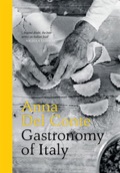
Gastronomy of Italy
The arbiter. When a menu claims a dish, this is the book that says which region it actually belongs to. It stands for the research half of menu engineering: opinion checked against authority before anything reaches print.
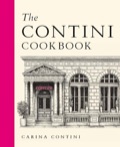
The Contini Cookbook
The Scottish-Italian reference, the ground our clients stand on. The cover sells the restaurant, a pen-and-ink drawing of the Edinburgh facade, not a plate in sight. A strong place can lead with itself.
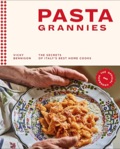
Pasta Grannies
One subject, hand-made pasta, done all the way down. We prefer specialised books, and this is why: depth reads as authority in a way breadth never does.
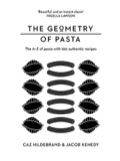
The Geometry of Pasta
The design object of the shelf: one subject treated as pure form, shape by shape. How a thing is presented is part of what it is, which is the bridge from menu engineering to menu design.
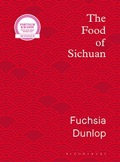
The Food of Sichuan
The authority we reach for on Sichuan cooking, and the answer to Chinese restaurant being too wide a claim. A menu that knows its region can say so with confidence.
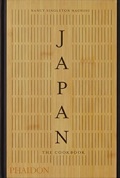
Japan: The Cookbook
The national canon in one volume. It earns its place as the contrast: the breadth a menu cannot be. Next to it, the case for being the sushi bar or the ramen shop makes itself.
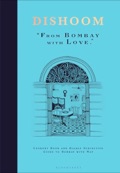
Dishoom
A restaurant telling its own story so well the book became part of the brand. The best example we own of a menu as the front door to an identity.

White Heat
The restaurant book as identity statement, over thirty years old and still the sharpest thing on the shelf. Decide who you are and let every page say it.
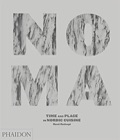
Noma: Time and Place in Nordic Cuisine
Identity taken to its logical end, a menu derived from where and when the restaurant stands. No client needs to go this far; it is the far pole that makes every smaller act of specialisation feel achievable.
How it reads is part of what it is
Engineering decides what the menu says; display craft decides whether anyone receives it. Beyond the analysis there is the setting of the thing itself, on paper and on a phone.
Print and digital are different rooms
A printed menu is read at a table, at leisure, two hands and a conversation. A digital menu is read one-thumbed on a phone, often on the street, deciding whether to come at all. We design for both situations rather than shrinking one into the other.
The case against the PDF
A PDF menu is a print file pretending to be a page. It is unreadable on a phone without pinching, invisible to search engines, and stale the day after a price changes. We publish the menu as a real page instead, readable, findable and current.
Findability
A hungry customer should reach the right dish in seconds. Clear sections, honest names, the hierarchy and grouping a well-set page owes its reader: the same principles good graphic design and good interfaces have always run on.
Where the digital menu goes next
We are building intelligent filters into the hosted menu, dietary needs, spice, appetite, so a diner can narrow the menu to what suits them and choose from that. The diner does the choosing; the menu just makes it easy. We will say here when it is real.
How pricing works
We don't publish a price list, because a menu is not one fixed thing. The scope follows what your restaurant needs: how many menus, how much research, how much photography, the print and finish. We look first, then quote in writing after a discovery visit, and the work is priced to be worth more than it costs.
Common questions
- What is menu engineering?
- Using what each dish sells and what it earns to decide where it sits on the menu, how it reads and what it costs. The result is a menu arranged by what makes you money, that still reads like your restaurant and leaves the choosing to your diners.
- How long does a menu project take?
- Most run three to six weeks from kickoff to printed menus on the table. Larger or multi-menu projects can run longer, and we scope it honestly at discovery.
- Couldn't a graphic designer do this?
- A graphic designer makes a menu look good. We make it earn its place, through menu engineering, photography, pricing and brand alignment. The deliverable can look similar from the outside; the commercial outcome is the difference.
- Our brand is messy. Can we still start with the menu?
- Yes. We either align to what you have or run a brand discovery alongside the menu. The audit tells us which is needed.
- What does it cost?
- We don't publish a flat price, because every menu is different: how many pages, how much research, how much photography, the print and finish. We scope the work to what yours needs and quote it in writing after a discovery visit.
Show us your menu
No commitment. Tell us what is working and what is not, and any ideas you have. We will look at your restaurant before we come back to you, so the first call starts prepared.